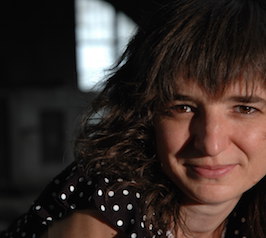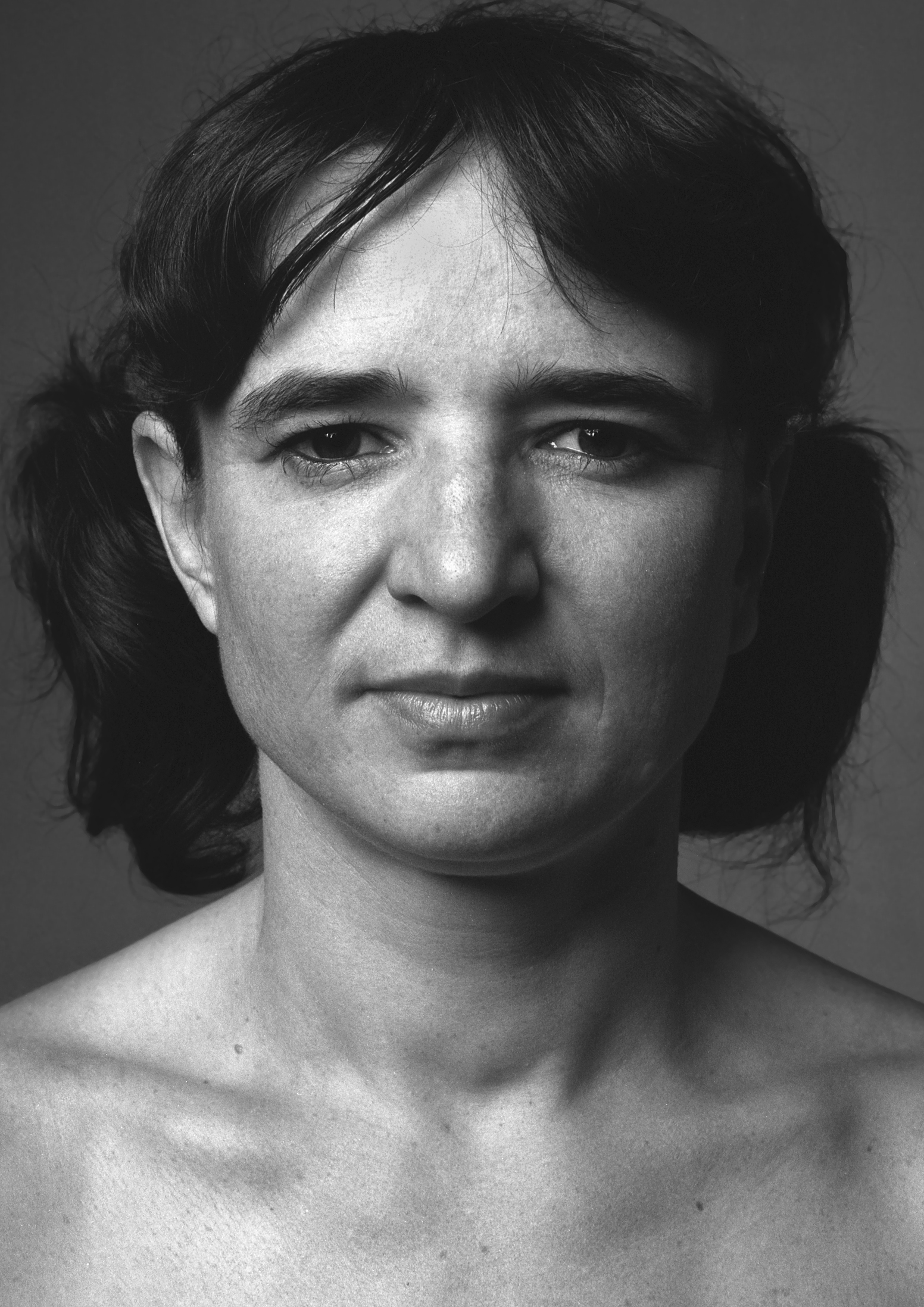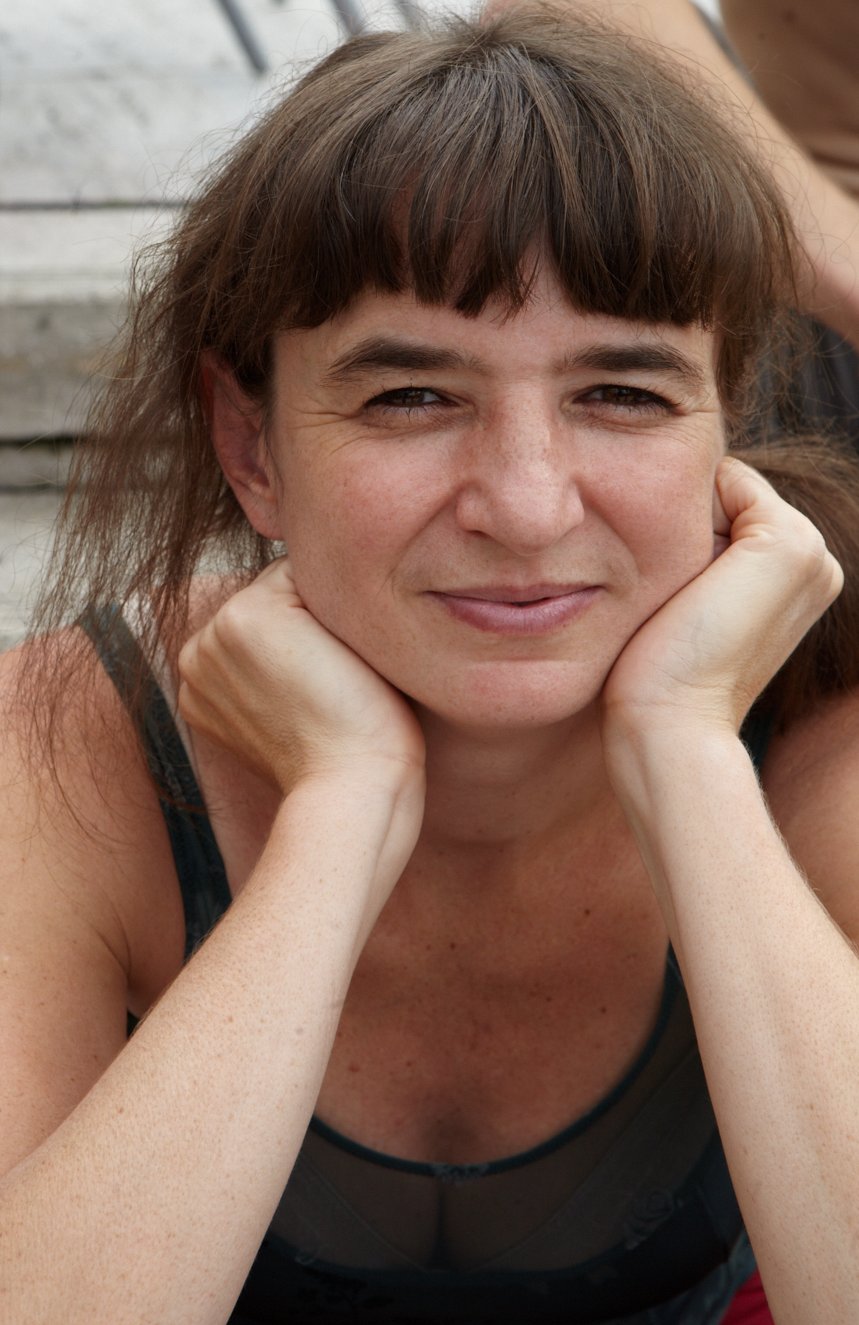


Réka Szabó was born in 1969 in Budapest, Hungary.
Her adolescence overlapped with the softening of the communist dictatorship in Hungary. After five years of training as a competitive gymnast she found the only contemporary dance school operating under a pseudonym that captivated her. Modern dance techniques were still considered Western machinations and were not allowed to be taught at the time. For Szabó, her encounter with contemporary dance was love at first sight. To her it meant rebellion, freedom, the liberation of the body, self-expression, moving past conventions and experimentation. This searching, outspoken, boundary-breaking attitude became the very foundation of Szabó’s creative work.
At the same time, she excelled at high school, and then at university during the day – Szabó graduated from Eötvös Loránd University with a master’s degree in mathematics and computer science – while in the evenings she danced like a maniac.
After the change of the system in 1989, foreign choreographers started teaching in Hungary. Szabó attended every course and workshop and soaked up all the knowledge she possibly could. This eclectic, diverse training experience, which she had to distill the essence of for it all to make sense, contributed to her original style and self-developed modus operandi.
Her most important masters were Gyula Berger, Endre Jeszenszky, Katalin Lőrinc, Eszter Gál, Joe Alegado, Roberto Galvan, Nigel Charnock, K. J. Holmes, Mark Tompkins, Daniel Lapkoff, David Zambrano, Frans Poelstra, and Bill de Young among others.
Starting in 1994, Szabó’s performing career took off. She had worked with choreographers and directors such as Rui Horta, Javier de Frutos, Milli Bitterli, Márta Ladjánszki, Eszter Gál, László Hudi, Emma Rice and Éva Magyar among others.
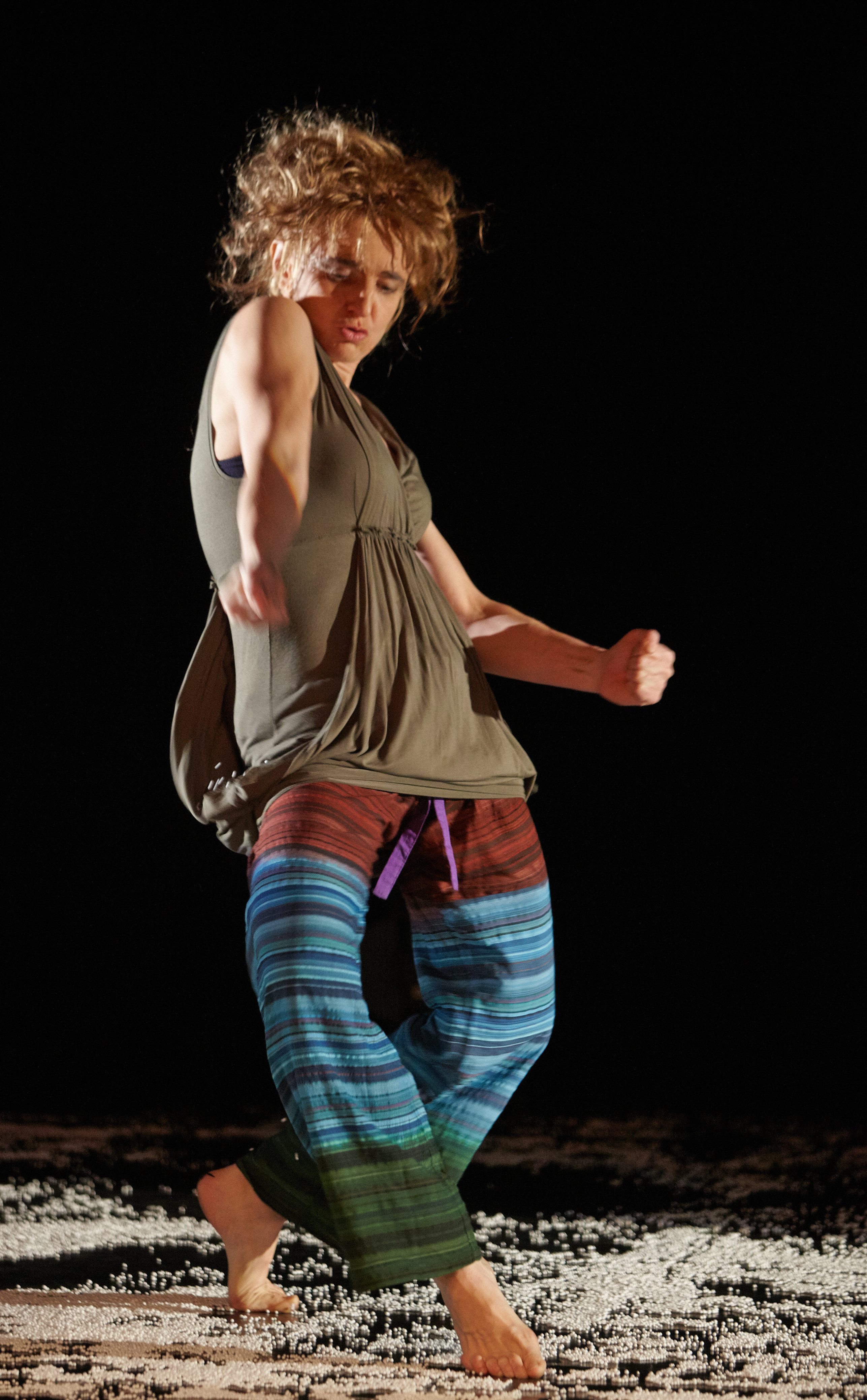
Simultaneously, she started working on her own performances and she has not stopped experimenting and creating theatrical dance productions since. Szabó’s work as a director led to the foundation of her own performing arts company, The Symptoms in 2002, although the company acquired its name in 2006 only. The Symptoms quickly became one of the most defining companies on the Hungarian performing arts scene, and it held that prominent position for over 20 years. In its prime Szabó’s company performed 70-90 times per year in Hungary and abroad, built a steady following, premiered 45 productions, and won numerous Hungarian and foreign awards. The Symptoms was invited to various festivals and venues in Europe, including The Place in London, the National Theater of Prague, the Schauspiel in Köln, the Volkstheater in Vienna, the Savoy-teatteri in Helsinki, the Deutsches Nationaltheater und Staatskapelle in Weimar, the Divadlo Thália in Kassa, the Juliusz Slowacki Theater in Krakow, the Tanzlabor in Bielefeld, the INFANT festival in Novi Sad, the Donumenta Festival in Regensburg, the OFF Europe Festival in Leipzig, and the Bratislava in Movement Festival in Slovakia. In 2014, their show Apropos 2.0 was invited to premiere at the Alexander Kasser Theater of Montclair University, New Jersey.
Szabó’s works are thought-provoking, dramatic, as well as liberating, marked by a certain ease, an almost child-like sense of abandon, and presented with a healthy dose of irony and humor. Composed of actors and dancers, Szabó’s troupe relied on all its members as creative collaborators, each show building heavily on the distinctive personality and imagination of the performers. Szabó perfected blending physical and verbal expression seamlessly. The Symptoms refused to obey any boundaries between genres, treating text, movement, sound, music, visuals, and technology-intensive special effects as equal components of the whole.
As the name of Szabó’s company suggests, the work of The Symptoms reflects on societal and individual symptoms in a timely fashion. Szabó’s artistic mission is heavily influenced by her social sensitivity which helps her tap into a variety of socially relevant issues, such as:
The issues in Szabó’s performances become political in a deeply personal way. Typically, the performers dig deep into their personal experiences where they discover the essential human aspect. From there they shape their role and character distancing themselves from the private domain. As a result, topics are processed by relevant people based on their relevant experiences.
Szabó created 39 performances, while also teaching and holding workshops regularly in diverse locations, including at different universities and festivals in Hungary and abroad. Szabó developed an intensive workshop rooted in her own methodology for actors and dancers which helps open a whole new range of means of expression. It also helps liberate presence, participation, and the personal drive to communicate. In addition, Szabó has been implementing a three-step complex Theatre in Education (TiE) program for high school and college students. She has also created an interactive performance for young audiences (age 3-7) entitled Nookville that has been immensely popular in Hungary for over a decade.
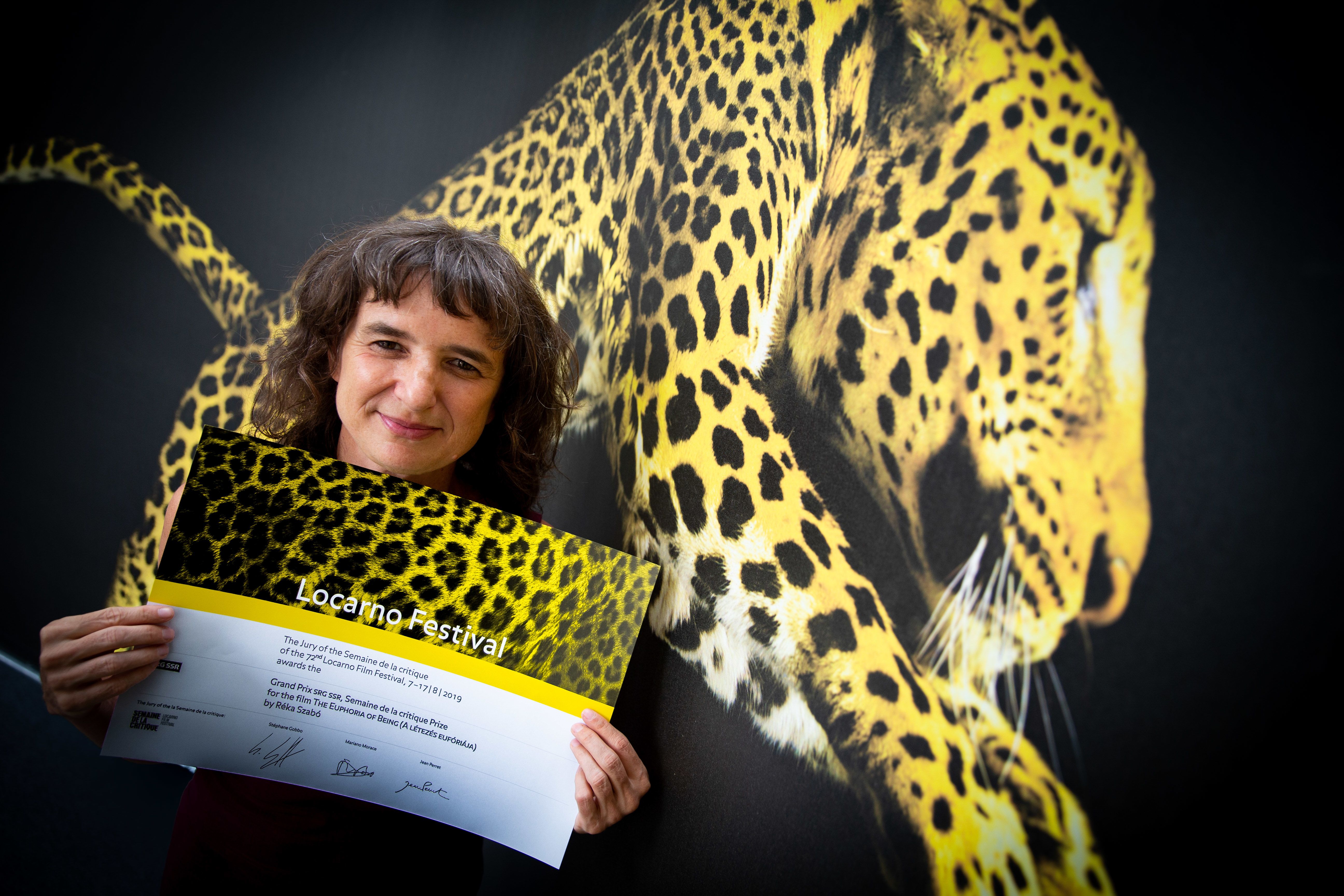
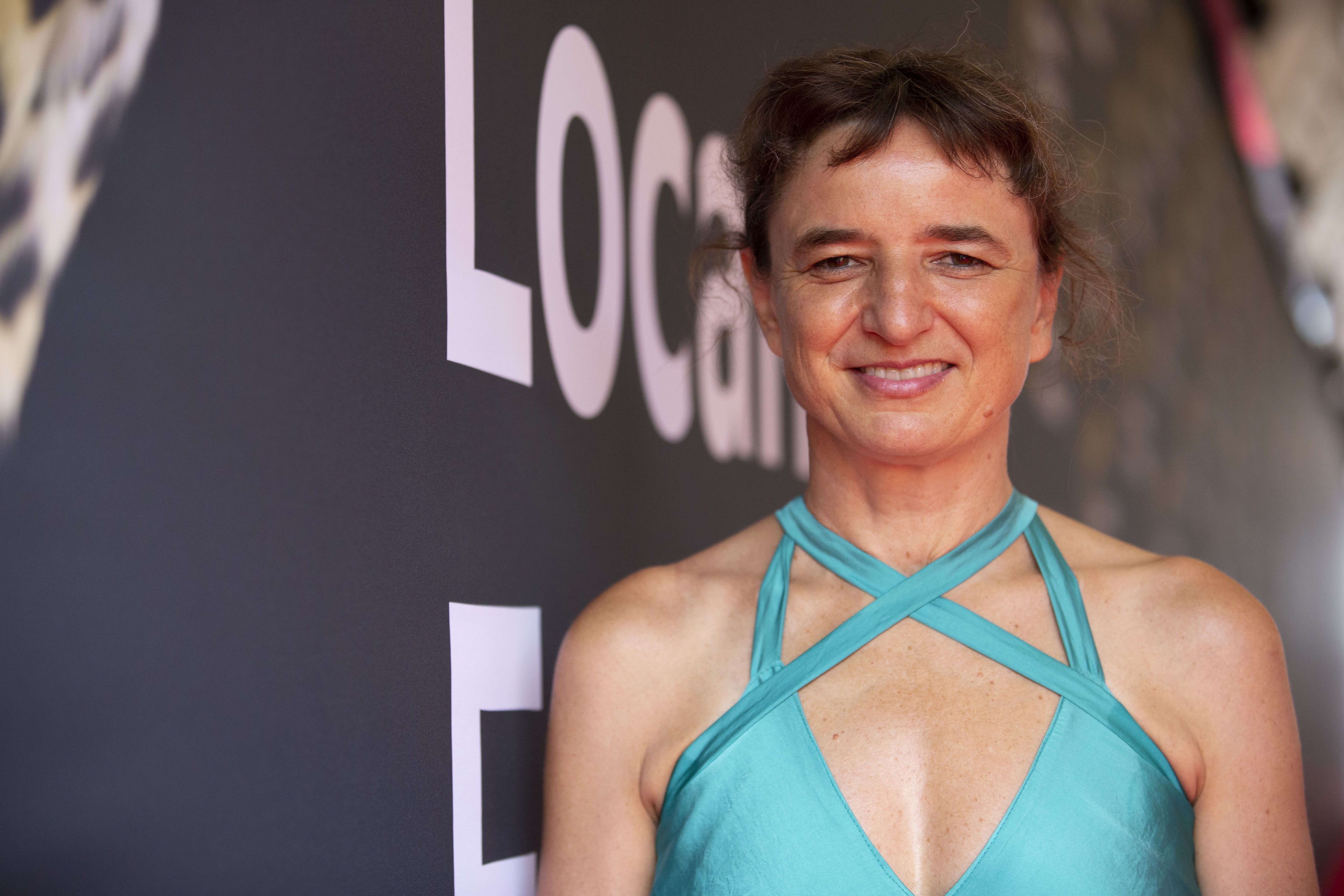
As part of her oeuvre, Szabó has also directed four movies. Shadow Movie (2010) and Mourning (2017) both received several awards, while Szabó’s first full-length documentary, The Euphoria of Being (2019) has won the Critics Week’s Grand Prix for best documentary at the Locarno Film Festival and the Human Rights Award at the Sarajevo Film Festival among others. The latter movie documents the rehearsal process of Szabó’s show Sea Lavender and beyond that sheds light on the life story of its protagonist, Éva Fahidi, a Holocaust survivor in her 90s. Through both physical and verbal dialogue between Éva Fahidi and a 60-year younger dancer, Emese Cuhorka, Sea Lavender addresses a central question: how deeply can we understand and connect with each other and how can we learn from the past as a result?
The little deserved, punishing daily struggle to sustain her company took its toll on Szabó, who together with the members of her company decided to suspend The Symptoms in 2023. Since then, Szabó has been participating in international projects, while also trying to identify her space for action and collaboration in this war-torn, radicalizing and disinformed world.